Here’s Why Knife Care Starts With How You Store Them
Anyone who cooks will tell you the frustration of wrenching a dull knife from a drawer. It’s time to chop vegetables for dinner, but instead of gliding through that tomato, you’re squashing it. This common issue typically has to do with the way you’re storing your knives, not how frequently they’re used.
The right knife storage tips can change your entire cooking reality. Knives stored correctly cut better longer, last for years and keep you safer in the kitchen. And you won’t be putting a new razor cartridge into the landfill every few months.
Poor storage does a lot more harm than you probably realize. Tossing knives into a drawer with other tools chips the edges, dulls the blades and becomes a safety hazard as you rummage through them. The good news? It doesn’t take expensive gadgets, or complicated systems to protect your knives. All five are easy and applicable to any kitchen and budget.
Whether you have one chef’s knife or a full set, these handy knife storage tips will help you keep your blades sharper and your cooking space safer.
The True Expense of Bad Knife Storage
So before we get into the big bad causes and solutions, let’s take a look at what happens when knives aren’t stored properly.
Damaged Blades Mean Wasted Money
They are affordable and they can be expensive — like $30 at a low end, or even up to three figures for a quality knife. Rethinking the modern knife, these knives are stored in a dishwasher and discolored / develop chips or scratches to be much faster. That means you’ll either spend money on sharpening services at six- to eight-minute intervals, or replace your knives years before their time.
Safety Risks in Your Kitchen
Knives rolling loose in drawers are a truly dangerous issue. There’s danger that you may cut yourself reaching for a spoon. Kids or visitors who don’t know where knives are stored could be at risk. A dull knife is also dangerous since you have to exert more pressure in order to cut, which can lead to slipping.
Your Food Suffers Too
Not if the knives are dull and damaged. They bruise the leaves of herbs, crush tomatoes and produce uneven slices. When your knife tears through food, instead of cutting cleanly, dishes don’t look as nice and textures are compromised. Cooking professionals understand the impact that a sharp, well-maintained knife has on creating a beautifully-made meal.
Tip #1: Magnetic Knife Strips to Save Space AND Your Blades
One of the cool knife storage ideas is to have a magnetic strip placed on your wall.
How Magnetic Strips Work
The strips feature powerful magnets that grip knives and tools safely before removing them through a gentle tug. You just rest the knife against that strip, and there it stays when not in use. The knife rests unobtrusively, suspended but free from contacting other surfaces, maintaining the cutting edge.
Benefits of Wall-Mounted Storage
Magnetic strips offer several advantages:
- Saves kitchen counter and drawer space in smaller kitchens
- Blades don’t touch other surfaces that can blunt them
- Convenient when you’re cooking on the go
- Proudly displays your knife collection if you have an eye for design
- Prevents knives from getting damp as air can circulate around them
Installation Made Simple
Magnetic strips usually have mounting hardware. You’ll just require a drill and approximately 15 minutes. Opt for a spot on your wall far enough from the stove (the heat can degrade knife handles) yet close enough to your cutting board for practicality. Just be sure it’s high enough that kids can’t get to it.
What to Watch For
Magnetic strips are also the best choice for knives of magnetic steel. Knives made of ceramic or titanium will not stick. Also, if you have very heavy knives, make sure your strip can sustain the weight before applying it.
Tip #2: A Knife Block to Keep Everything in Place
A classic knife block is popular for a reason: It functions and looks professional on your counter.
Why Knife Blocks Protect Blades
Each knife has its own slot, so it’s not mixed in with other utensils. It slides neatly into a protective sleeve that prevents it from getting banged up or scratched. Good blocks have cross-cut slots so that the sharp edges do not rest on the bottom.
Choosing the Right Block
While this is not true for all knife blocks. Here’s what to look for:
| Feature | Why It Matters |
|---|---|
| Horizontal slots | Blade edges rest on surfaces |
| Enough slots | Stable base |
| Easy to clean | Wipe with damp cloth and dry |
| Universal design | Fits various sizes and shapes |
Universal vs. Fitted Blocks
There are blocks that have slots designed for specific knives and this would be a great option if you buy into such sets. Universal blocks are open so that it allows all knife styles and sizes to be stored. These give you options for more flexibility if you engage in some mix and match across brands.
Keeping Blocks Clean
Here’s the surprise many people forget: knife blocks require routine cleaning. Flip them upside down once a month, and shake out crumbs and dust. Clean the slots every couple of months with a thin brush or pipe cleaner. Allow the block to fully dry before replacing knives.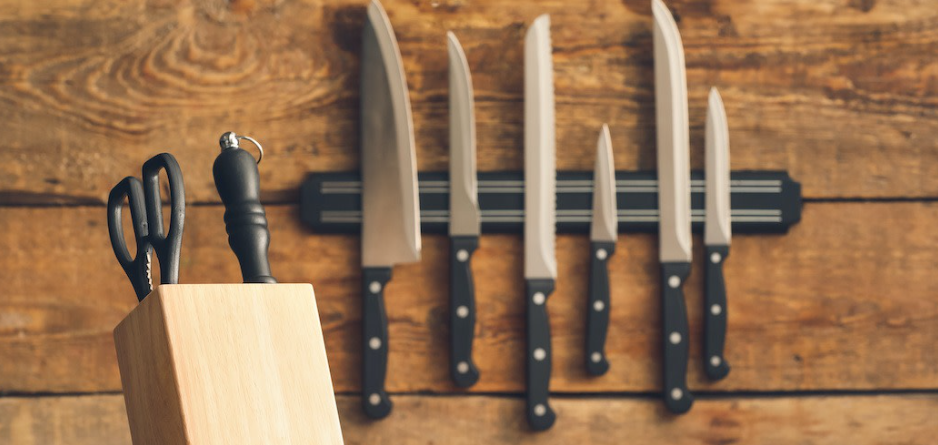
Tip #3: Keep These Tools Safe in the Drawer Without Losing Counter Space
If you’re looking to clear counters, in-drawer organizers are great for protecting blades.
Types of Drawer Storage
There are a few drawer designs that do an admirable job of keeping your knives safe:
Drawer inserts that have individual slots operate like knife blocks but nestle flat inside your drawer. Each knife has its place while the protective sheaths ensure that the blades don’t touch.
Blade guards are plastic covers that fit over individual knife blades. You can place knives in a standard drawer without fear of damage.
Rubber or cork drawer mats provide cushioned storage. Not as protective as separate slots, they’re better than bare drawers.
Setting Up Drawer Storage
Before purchasing any organizer, measure the drawer. You want a system that doesn’t hog space but still keeps knives at the ready. If you’re organizing your knives, dwell on the fact that knives with handles facing in a single direction can be picked up from storage without searching.
Put the knives that you use most toward the front. Specialty knives that are used less often can go at the back. The arrangement makes for quicker meal prep, cutting down on drawer digging.
Why This Method Works
Drawers keep knives out of sight, convenient for those who’d rather not display their cutlery and a secure option in homes with children. It will also guard blades against dust and grease that can settle on unprotected knives. Children are unable to see or even reach knives stored within drawers for an added safety measure for the household.
Tip #4: Don’t Forget the Knife Rolls – For Storage and on The Go
Knife rolls are popular with professional chefs for a reason: they’re one of the most flexible knife storage ideas.
What Makes Knife Rolls Special
A knife roll is a fabric case with pockets for knives. It rolls up and ties, making for an easy-to-carry bundle. Selected light canvas, leather or synthetic leather uppers.
Perfect for Multiple Situations
Knife rolls serve several purposes:
- On-the-go details
- Home storage in cabinets or drawers
- Carrying knives to cooking classes or a friend’s house
- Guarding against bumps, scratches and such while traveling or just stashed away at home
- Organizing knives in tiny kitchens with no counter space
Choosing a Quality Roll
When shopping, seek thick fabric that’s built tough and won’t rip through. Pockets should be deep to ensure that knife handles don’t slide out. Decent rolls have some landing pad or reinforcement between the sharp edges and what is on the surface.
Count the number of pockets you require. Some hold as few as 6 knives, while others accommodate 15 or more. Think about what you have now, plus space to grow.
Care and Maintenance
Knife rolls require occasional washing because they soak up oils and food particles. Machines can handle most canvas rolls, but leather rolls require a special cleaner. Always allow rolls to dry completely before replacing knives into them to prevent rust or mold.
Tip #5: DIY Storage Solutions That Are Virtually Free
Knife storage doesn’t have to be crazy expensive. These easy knife storage ideas utilize common household items, some of which you may already own.
Repurposed Magazine Holders
Those unused plastic or metal magazine holders sitting in your closet? They make excellent knife storage. You can put them in a drawer or cabinet and slide knives vertically into the slots. The knife’s edge is protected, knives are all held vertically for ease of use.
Pool Noodle Hack
Slit a foam pool noodle down the side. Slide it into a drawer, and then insert knives into the slot. The soft foam prevents the dulling of edges and knives are kept separated. This process is super cheap and works better than you might think.
Cork Trivet or Mat
Place a thick cork trivet or mat in your drawer. Insert knives into the cork blade-first. The cork is soft enough not to damage a blade (however cork is durable and therefore holds snugly rather than collapsing). You can place the knives in any pattern that suits your drawer.
Cardboard Slot Dividers
Create a knife block from cardboard. Cut narrow pieces to fit inside the slots, then stack and glue them into a holder that fits your drawer perfectly. Make the cardboard decorative by covering it with contact paper or painting the surface.
Why DIY Methods Matter
These inventive solutions demonstrate that you don’t need fancy tools to keep your knives safe. They’re ideal for renters who can’t use wall-mounted options or people who don’t want to splurge. And with DIY projects, you can customize storage to precisely match your specific kitchen design.
Design Your Ideal Knife Storage System
Now that you’ve learned about five solid approaches, how do you decide which one is best for your particular use case?
Match Storage to Your Kitchen
Consider these factors:
Space: Wall-mounted strips and drawer inserts work in small kitchens. A counter block can fit in bigger kitchens.
Number of knives: If you have just three or four knives, a small block or drawer insert is fine. Serious chefs with 10 or more knives require solutions that are more comprehensive.
Kitchen style: Magnetic strips work well with modern kitchens. Wooden blocks work well in traditional kitchens.
Cost: DIY options and blade guards are under $20. Quality knife blocks run $50-150. Magnetic strips range from $20-60.
Mix and Match Methods
You can also use more than one storage type. Many cooks combine methods effectively:
- Daily-use knives on mag strip for easy access
- Custom-made knives in a drawer (with guards)
- Knives not in a block or on a strip kept in the pantry
This method offers adaptability with the added bonus of protecting all blades.
Knife Storage Mistakes to Avoid
People do this with the best of intentions:
Storing Knives Loosely in Drawers
This is the biggest mistake. Knives jostle around, banging against one another and other utensils, quickly dulling edges. They’re a hazard in the drawer, too.
Leaving Knives in the Sink
Don’t ever leave knives soaking in soapy water and out of your sight. This is very bad for the knife, loosens handles and a significant risk. Wash knives as soon as possible and store them.
Storing Knives While Wet
If you have wooden handles, moisture breeds rust and it also damages the wood. Dry and replace knives before storing them anywhere.
Ignoring Rust Spots
If you notice rust forming — which shouldn’t be too much of a surprise if this is the first time since last winter that you’ve checked in on your knives — then take action right away. Scrub off with a rust remover or paste of baking soda. Then consider your storage — moisture is making its way to your knives at some point.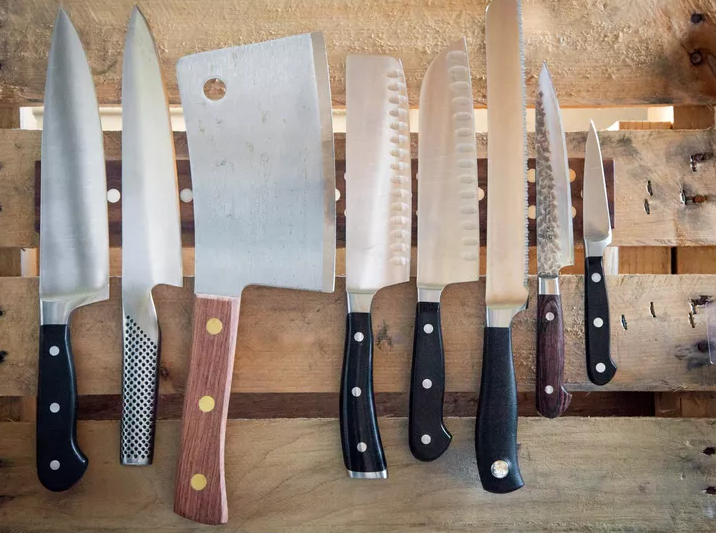
Preserving Stored Blades for Long Term Use
Great knife storage tips go beyond selecting a storage solution.
Regular Cleaning Schedule
And even a properly stored knife gathers dust and needs cleaning now and then. Wipe knives down once a month, whether you’ve used them or not. This helps to prevent the buildup which can over the time damage your blades.
Sharpening Routine
While good storage will keep knives sharp, they require regular sharpening. Professional knife sharpening services can help maintain your blades at peak performance. Keep a sharpening steel in the vicinity of your knives for light touch-ups between full sharpenings.
Handle Care
Wooden handles require a light coat of oil occasionally to keep from cracking and drying out. Plastic or synthetic handles, meanwhile, only require regular washing. Make sure that handles remain securely affixed to blades — loose handles indicate it’s time for repair or replacement.
Inspection Habits
Take a quick glance at the blade when you pick up a knife. Inspect for chips, rusty patches or unusual wear and distortion. As with so much in life, an ounce of prevention with knife maintenance is worth a pound of cure (which in this case would be pitted carbonized steel).
FAQs About Knife Storage
Q: Can I put all knives away the same?
A: Most knives for the kitchen are fine to store with these methods, but delicate knives like Japanese blades require special attention. For ultra-thin or delicate blades use softer cork or felt-lined storage.
Q: What is the best way to avoid rust for stored knives?
A: Always thoroughly dry knives before putting them away. Store in dry, well-ventilated area. Food-safe mineral oil finish helps prevent rust on carbon steel knives.
Q: Are knives safe kept near the stove?
A: Don’t keep knives near sources of heat. High heat can ruin a knife’s handle, particularly if it’s made from plastic or wood. Store at least 3 feet away from your stove.
Q: Do expensive knives need special care?
A: Yes, all knives require proper storage, but you should give them extra attention if they’re pricey because you’ve spent more money. Luxury knives usually have thinner, harder blades that chip more easily without proper storage.
Q: How long should a knife be expected to last (properly maintained and taken care of)?
A: With proper storage and maintenance, a quality kitchen knife can last 20-30 years or more. A few knives get passed down through families as heirlooms. According to Serious Eats, proper care can extend the life of kitchen knives significantly.
Q: Can I keep knives inside their original packaging?
A: You shouldn’t need to if you’ve taken your knives out of their original plastic packaging. These kind of pouches don’t allow for proper ventilation and moisture can be trapped. Move to another knife storage system after purchase.
Your Sharper, Safer Kitchen Begins Now
It doesn’t take much to protect your knives, and it’s not expensive. These five knife storage suggestions offer practical choices to every kitchen, regardless of budget or cooking style.
Begin by assessing what storage you already have in place. Are your knives rattling around in the drawer? Are they in a box stuffed with blades that touch each other? Choose the storage option that works best for your space and needs, then get organized this week.
You’ll notice the difference immediately. Your knives will feel sharper and cut better. And then meal prep goes more quickly and, well, fun. You’ll dig in for the right knife without shuffling through filthy, cluttered drawers.
And I suppose more importantly, you’re protecting an investment. Good knives are expensive and, with proper storage, will last you a really long time. Whether you opt for a magnetic strip, knife block, drawer insert or knife roll — or something more creative and homemade-looking — you and your knives will thank yourself.
A little change in where and how to store your knives leads to some big improvements when you’re cooking. Begin today, and impress your family with sharper, safer, more efficient knives for years to come!