Introduction: Why Your Knife Deserves Better Treatment
Step inside a professional kitchen, and you’ll find something amazing. The chefs, who are all very good, regard their knives as you would a Steinway piano: Not just tools but instruments. There is a good reason for this devotion.
Good knife habits can change your whole cooking game. A well-kept blade slides easily through vegetables, can cut delicate paper thin slices and will make even everyday prep work a pleasure rather than a chore. Neglect results in dull blades, rust speckles and knives that quit when you need them most.
Professional cooks know that their knives are an investment. A good blade can last decades if you take care of it. That’s why they’ve established routines to ensure that their tools are in top condition day after day.
In this post you will learn what the world’s best chefs do to maintain their knives religiously. These are not sophisticated techniques that require specialized equipment. They’re simple, practical strategies anyone can use at home. Whether you have a cheap knife or an expensive Japanese blade, these habits will help the life of your knives last longer and let you enjoy a better cutting experience.
Here are the seven crucial practices that set kitchen pros apart from everyone else.
Wipe Your Blade Clean After Every Use
The first rule of knife care may sound stupidly easy, yet most people don’t follow it. Never put your knife down with food stuck to the blade.
Why Immediate Cleaning Matters
Acids, salts and moisture from food can start damaging your knife in mere minutes. Tomato juice, lemon and onion have acids that might stain or even corrode the steel. Proteins in meat can set into stubborn deposits that mar the edge upon removal.
Professional chefs rinse their knives as soon as they’ve used them. They don’t stack them up in the sink, or leave them on a cutting board. That habit also prevents staining, preserves the edge and halts bacteria growth.
The Right Cleaning Method
Here’s how to clean properly:
- Grasp the knife by the handle, blade turned outward
- Clean with warm water and mild dish soap
- Clean with a soft sponge from spine back to edge
- Never rub the edge face to face
- Rinse thoroughly with clean water
- Dry with a clean towel promptly
Avoid putting knives in the dishwasher. Hot temperatures warp handles, dull edges and cause blades to bang against other items. Hand washing takes 30 seconds and prevents years of damage.
Store Your Knives The Intelligent Way
How you store knives is as important as how you clean them. Bad storage makes for dull edges, unsafe handling, and significantly shortened blade life.
Avoiding the Drawer Disaster
Loose knives in a drawer is among the worst knife storage habits you can cultivate. Blades will clash against one another and chip, causing them to lose their edge. And reaching into a drawer full of knives is just plain dangerous.
Better Storage Solutions
Professional kitchens employ these three techniques:
Magnetic Strips: Secure knives to wall mounted magnetic bars so they’re both visible, easily accessible and safe. Blades never make contact and air can circulate, helping reduce moisture. Mount the strip at a convenient height from the stove’s flame.
Knife Blocks: Wooden blocks keep knife edges safe and your collection organized. Opt for the versions with horizontal slots, not vertical. This also prevents the edge of the blade from contacting wood and dulling.
Blade Guards: Plastic or cardboard guards that slide over a blade for drawer storage. They’re inexpensive, effective, and good for knives you don’t use daily.
| Storage Method | Protection Level | Convenience | Best For |
|---|---|---|---|
| Magnetic Strip | Excellent | High | Daily-use knives |
| Knife Block | Very Good | Medium | Available counter space |
| Blade Guards | Good | Low | Drawer storage |
| In-Drawer Tray | Fair | Medium | Limited counter space |
The Art of Consistent Honing
In case you are like many home cooks and find this concept confusing, there is a difference between honing and sharpening. It is important to understand this difference for good maintenance of your knife.
What Honing Actually Does
The edge of your knife is really just a series of tiny metal teeth that bend and fold as you use it. They are not disappearing — just getting pushed out of alignment. Honing realigns these teeth, restoring sharpness without significantly removing any metal.
A professional chef will hone his knives several times in a single shift. This rapid maintenance helps to keep blades performing at their peak between sharpening sessions.
How to Hone Like a Pro
You’ll need a honing steel — that long rod that came with your knife set. Here’s the technique:
- Hold the steel vertical, point down on a cutting board
- Hold the knife against the steel at an angle of 15-20 degrees
- Sweep the blade downward and across
- Maintain consistent pressure and angle
- Repeat 5-6 times on each side
- Alternate sides with each stroke
It should feel smooth and under control, rather than violent. You’re realigning, not grinding. Some chefs hone prior to, and after, every major prep session.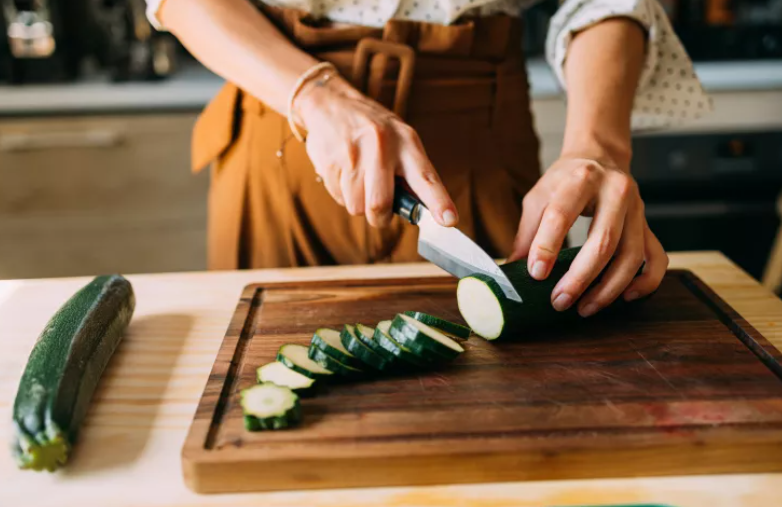
Signs Your Knife Needs Honing
Watch for these indicators:
- Tomatoes crush before the knife breaks through skin
- Paper will not cut cleanly
- When slicing, onions slide rather than slice cleanly
- You need more pressure than usual for basic cuts
Learn When There’s Real Sharpening to Do
Even with the best honing, however, every knife eventually requires true sharpening. Metal is removed in this process to form a new edge. It’s like the distinction between combing your hair and getting a haircut.
Reading Your Blade’s Signals
Chefs will sharpen their main knives every 3-6 months with heavy use. For the home cook, sharpening once or twice a year may be enough. Here are the signs that will tell you when it’s time:
- Honing will no longer restore the cut
- Visible chips or nicks around the edge
- Blade is not slicing through paper cleanly
- Vegetables will crush rather than cut cleanly
Sharpening Options That Work
You have three main choices:
Professional Sharpening Services: Many kitchen stores and butchers will sharpen knives for $5-10 a piece. Professionals have precision tools, and they also possess the knowledge of how to adjust angles on various blades. Great for expensive knives, or if you’re leery of sharpening on your own. If you’re looking for professional knife sharpening services, experts can restore your blades to factory-sharp condition.
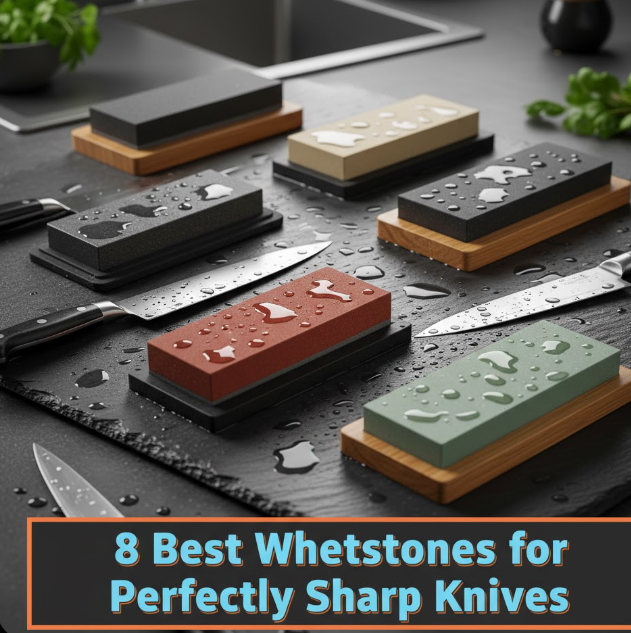
Whetstones: For the most control and best results, use a traditional Japanese water stone. They take some getting used to, but they allow you to sharpen at home. Begin with a 1000 grit medium and 3000-6000 fine whetstone.
Electric Sharpeners: Good electric sharpeners can be used with most knives, except for high-end Japanese and specialty knives. They are fast and consistent, but not as precise as whetstones. Opt for a quality model that sharpens metal rather than tears it.
Maintaining knives on a consistent basis means regularly sharpening them. Don’t wait until your knife loses all its usefulness.
Pick Your Cutting Surface With Care
The board on which you slice is almost as critical a consideration for your knife as any other. Hard surfaces destroy edges quickly. Soft surfaces keep edges sharp and protect your investment in high quality knives.
Why You Should Avoid Glass and Marble
Some cutting boards are pretty but knife-edge killers. Glass, marble, granite and ceramic are harder than steel. Every cut on these surfaces means your blade is striking it and chipping the edge on a microscopic level.
Hard cutting boards are never used by chefs. The rule also holds true for slicing directly on plates or countertops.
The Best Cutting Surfaces
Wood: End-grain wooden boards are the luxury choice. The wood fibers part and close around the blade’s edge protecting it against blade damage. Maple, walnut and cherry are some of the best woods to use. Wood is also naturally anti-bacterial when washed frequently.
Bamboo: Harder than many woods but still knife-friendly. Bamboo boards hold up to water better and cost far less than hardwood. They’re environmentally sustainable too.
Plastic: High quality polyethylene boards are well suited to raw meat and fish. They can go in the dishwasher, and if they get stained or super worn, replacements are cheap. Select thick boards that won’t slide during use.
Cutting Board Care Tips
Your board needs maintenance too:
- Wash in hot soapy water after each use
- Sanitize once a week with a 1:10 diluted bleach solution
- Oil wooden boards with mineral oil every month
- Replace boards with deep grooves or cracks
- Use different boards for raw proteins and produce
Handle Intentionally and Respectfully
The way you use your knife during cooking can have a huge impact on how long it lasts. Small tweaks in technique will save your blade and result in safer cooking.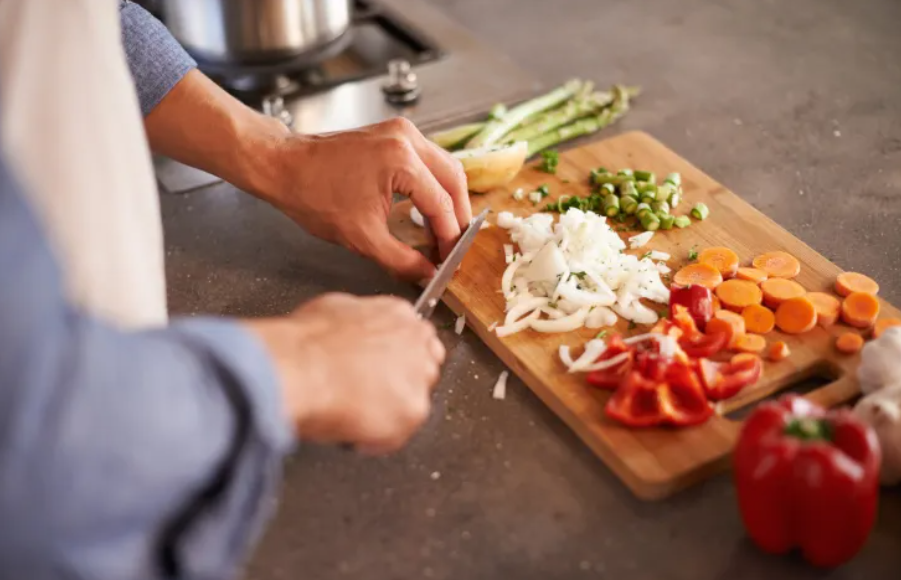
Cutting Tactics to Keep Your Edge
These habits are developed by professional chefs:
Use a Rocking Motion: Rather than cutting straight through whatever you’re working with, rock the blade forward and down to complete each cut. This method decreases the stress on the edge resulting in less chipping.
No Twisting: When you’re cutting something, don’t twist your knife. This chips edges and can break thinner blades. If something is stuck, pull blade straight out and recut.
Don’t Use Knives as Tools: You don’t see chefs using their good knives to open cans, pry lids or scrape cutting boards. Each knife has one job: to cut food cleanly.
Treat Bones and Frozen Food With Respect: Your chef’s knife is not a cleaver and is not meant for breaking through frozen ingredients or cutting straight through bones. Break out a cleaver or allow frozen food to thaw until slightly softened. You create chips and cracks when you have to pound your knife through hard things.
The Way You Hold Matters
Just the right grip prevents injuries and damage to your blade:
- Hold the blade between your fingers where it meets the handle
- Keep fingers curled under during the cut
- Let the knife do the work without putting on too much force
- Never catch a falling knife — get out of the way and let it fall
Control Moisture and Stop The Rust
Steel and water are not the best of long-term bedfellows. Rust, pitting and staining that can destroy even an expensive blade are brought on by moisture. Moisture control is one of the top knife-care habits you can adopt.
Drying: The Critical Step
After you wash your knife, be sure to dry it off all the way. The handle-blade junction holds water over time. Use a dry, clean towel and focus on:
- The spine where moisture collects
- Where the blade meets the handle
- Any decorative elements or rivets
- The complete cutting edge on either side
Never air-dry your knives or place them in a dish rack to dry.
Storage Environment Matters
Store in dry environment with good air circulation. Avoid storing them:
- Beneath sink where moisture is in air
- Near dishwashers that release steam
- In damp basements or garages
- In closed drawers without airflow
Dealing With Rust Spots
Caught rust early? Here’s the fix:
- Mix baking soda and water into a paste
- Apply to the rust spot
- Rub gently in circular motions
- Rinse and dry immediately
- Finish with a coat of mineral oil
If your knife is carbon steel and prone to rust, wipe down the blade with a thin coat of mineral oil after each use.
Climate Considerations
Humid environments require extra care:
- Wipe blades with oil before storing
- Inspect stored knives weekly for signs of rust
- Add silica gel packets to knife blocks
- Consider stainless steel in damp kitchens
Knife Care FAQs
How frequently should I sharpen my kitchen knives?
Normal home cooks sharpen their knives once or twice yearly, regularly honing in between. Professional chefs will sharpen their primary knives every 3-6 months because they are being used day in and day out. Trust your knife’s performance to tell you—once honing no longer returns the blade’s sharp edge, it’s time to sharpen.
If I’m careful, can I put my knives in the dishwasher?
No. Knives get damaged even with care when loaded in the dishwasher. High heat can loosen handles, harsh detergents can corrode blades and water jets knock knives against other objects. Hand washing requires just 30 seconds, and it protects your investment for years.
How do you tell the difference between honing and sharpening?
Realignment of the current edge is achieved through honing to properly realign and maintain edge without removing metal. Repeat this process often, even on a daily basis for heavily used knives. Sharpening is the removal of metal to generate a new edge. Even home cooks who use their knives regularly only need to sharpen 1-3 times in a year.
Why does my knife get dull so fast?
Common culprits include cutting on hard surfaces (glass, ceramic, marble), storing the blade so it comes into contact with other metals, neglecting to hone your knife regularly and using a knife for work it wasn’t built to do. Fix these bad knife maintenance habits and your edge will live longer.
Is it worth spending the money on an expensive knife?
Good knives keep edges longer, feel better in your hand and last decades if properly maintained. But only if you take care of them properly. A properly cared-for $50 knife will outperform a $200 blade that never gets any love. You should begin with mid-range knives and cultivate good habits before you decide to shell out the money for premium knives.
How can I tell what angle my knife was sharpened to?
Japanese knives are usually sharpened to a 15-degree angle per side. Western knives typically have 20 degrees. When in doubt, match your original factory edge. Many sharpening guides and systems label proper angles according to blade types. For more detailed guidance on sharpening angles, Serious Eats offers an excellent knife sharpening guide.
Conclusion: Small Habits, Big Results
Professional chefs do not just know things that home cooks don’t when it comes to knife maintenance. They are just following some knife maintenance habits which take care of their knives and eventually improve cooking.
And, as a bonus: They all work together. Rule 1: Immediate cleaning. When you’re done using your knife — no exceptions — give it a quick wash and dry. Proper storage protects that edge from damage. Regular honing keeps performance consistent. Each habit reinforces the others.
It’s best to start with the easiest habit, that of washing and drying your knife immediately after use. Add one more routine every week until this new lifestyle becomes natural. In a month, your knives will be noticeably sharper, prep work will become a piece of cake and cooking will be more enjoyable.
Your knives are partners in cooking good food. Respect them like professional chefs treat their tools. A few minutes investment daily pays back in years of dependable service and safer, more pleasurable cooking.
Which of the above knife maintenance habits will you add to your routine today? Your future self (and your knives) will be grateful you did.