
Introduction: Your Knives Are Special And Deserve The Best Care
Your kitchen knives have a tough job every day. They chop vegetables, slice meat and potato and assist in the preparation of thousands of meals. But are you treating them with the care they need to endure?
What most people don’t know is that a few simple knife maintenance tips can mean the difference between blades that last generations and ones you have to replace every few years. A good knife is an investment, and if you take care of it properly you’ll save money and achieve better results in the kitchen.
The good news? Maintaining your knives doesn’t require professional chef skills. With only a handful of simple habits, you can prolong the life of your blades significantly. Regardless of whether you’ve spent hundreds on chef’s knives or just a few dollars on some low-quality blades, the following tips are sure to keep your cutting tools sharp and safe.
In this post, you’ll learn six basic tips to maintain your knife that anyone can do. These are not sophisticated methods that require special training. They’re easy, down-to-earth measures that fit so effortlessly into your life; they’ll never feel like work.
1. Wash Your Knives As Soon As You’ve Used Them
The first rule of knife maintenance is a no-brainer: Don’t let them sit dirty. This alone can help you avoid many of the simple issues that ruin blades.
Why Immediate Cleaning Matters
Bad things happen when you leave food residue on a knife. Acids found in tomatoes, onions or citrus fruits can erode the metal. Moisture leads to rust spots. And then that dried-on food is harder to scrub away, meaning you have to do it heavier handed later.
Good cooks clean their knives immediately after every use. This is about more than hygiene, though: It’s also protecting the blade from corrosive substances.
The Right Way to Hand Wash
Hand-wash knives promptly with warm soapy water. Wipe both sides of the blade with a soft sponge or cloth and work your way up from the handle to the tip. By going in this direction you can avoid cutting your fingers on the sharp edge.
Rinse with clean water to ensure that all soap is removed. Un-rinsed soap on the blade will affect over time.
Important note: Never wash good knives in the dishwasher. The high heat, strong detergents, and jostling around other items will ruin the blade edge and handle. Dishwashers are the sworn enemy of fine knives.
Drying Is Just as Important
When cleaning, use a towel to wipe your knife dry. Never let it air dry on the counter or in a dish rack. Pooled water can result in rust spots, particularly around the handle where moisture collects.
Spend a few seconds longer to ensure that the area where the blade meets the handle is completely dry. Water damage can especially attack this spot.
2. Store Them Well To Save the Edge
How you organize your knives can impact their sharpness and safety. The worst thing you can do is toss them in a drawer with other utensils.
Why Drawer Storage Damages Blades
When knives jostle together in a drawer, the edges of the blades make contact with other metal stuff. Each blow creates small chips and dulls the blade. Also, plunging your hand into a drawer of loose knives can be dangerous.
Better Storage Solutions
The old standby is a knife block. It separates and keeps each knife’s edge protected. Knives should always be carefully placed onto the block or magnet surface with the blade facing up to prevent damage to the blades.
Wall-mounted magnetic knife strips are another great solution to this problem. They showcase your knives at a glance, maintaining the edges’ exposure to air so moisture doesn’t accumulate.
If you are stuck on drawer storage, use blade guards. These plastic sheaths slide over the blade and keep both it and your digits from coming to harm.
Storage Tips by Knife Type
Knives require various forms of storage:
- Chef’s knives and santoku knives: These often-used, wide-edge blades need the most protection
- Paring knives: Can be stored in smaller knife blocks or blade guards
- Serrated knives: Generally less susceptible to damage, but you still need it stored carefully to keep the teeth sharp
Knives should never be stored when wet. Moisture held in storage causes rust and corrosion before you know it.
3. Always Use the Proper Cutting Board
The surface on which you do your cutting is more important than most people think. The wrong cutting board will dull your knives significantly faster.
Best Cutting Board Materials
Both wood and bamboo cutting boards are good tools for caring for knives. They are hard enough to deliver good cutting support but soft enough not to blunt the blade edge. Wood is also inherently antimicrobial.
Plastic chopping boards can be used instead. They’re dishwasher safe and not too expensive, but they display cut marks fairly easily. Replace heavily scarred plastic boards (bacteria can hide in these grooves).
Materials to Avoid
Glass and marble cutting boards are pretty, sure, but they’re terrible for knives. This hardness is harder than your knife blade. Each cut shaves off some tiny amount of metal from the edge.
Bamboo is formally harder than wood, but it’s still far softer than stone or glass. While it won’t win any awards for sharpness, it’s got a nice balance of durability and knife-friendliness.
Cutting Board Maintenance Table
| Material | Blade-Friendliness | Durability | Ease of Cleaning | Best For |
|---|---|---|---|---|
| Wood | Excellent | High | Moderate | Regular usage |
| Bamboo | Very Good | Very High | Moderate | Frequent use |
| Plastic | Good | Moderate | Easy | Raw meat prep |
| Glass | Poor | Very High | Easy | Serving only |
| Marble | Poor | Very High | Easy | Avoid for cutting |
A stable cutting board that does not slide around is essential. A slide is dangerous and makes you push harder, making your knife dull faster.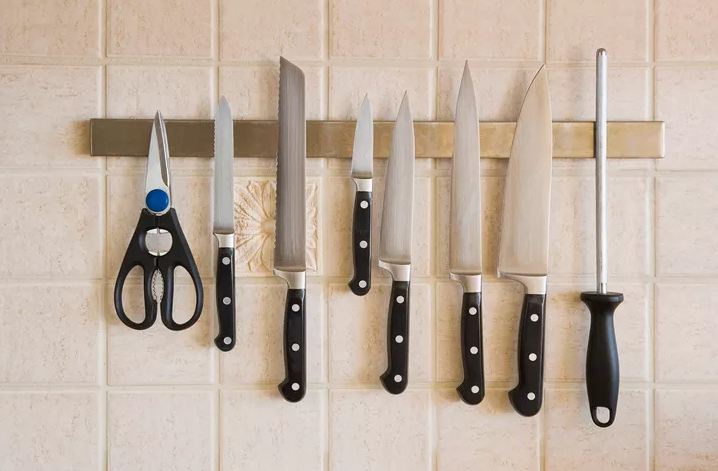
4. Sharpen and Hone Regularly
Knife blades naturally dull with use, even with the best of care. Regular sharpening and honing are two of the things you need to do to keep your knives in performing condition.
Understanding the Difference
Many people mix up sharpening and honing, but they’re two different steps:
Honing realigns the blade edge but does not remove metal. It’s the equivalent of straightening a twisted wire. You should hone your knives often — even before every use if you cook daily.
Sharpening is cutting away material to form a new edge. This approach is more aggressive and so only required as needed when you can no longer hone your knife.
How to Hone Your Knives
The tool for this job is a honing steel (it is also known as a sharpening steel, but it does not actually sharpen). Stand the steel vertically, tip down on a cutting board. Hold the knife at a 15-20 degree angle against the steel at a position that is near the handle.
Run the knife down and across the steel, from heel to tip. Alternate sides with each stroke. You need five to 10 strokes on each side, usually.
This easy practice takes under a minute and has a massive impact on cutting performance.
When and How to Sharpen
For the majority of home cooks, knives will need to be sharpened 2-4 times a year depending on use. Professional chefs get their knives sharpened weekly if not daily.
You have several sharpening options:
- Whetstones: Sharpest edge, but it takes practice and skill
- Pull-through sharpeners: Simple, but not as accurate
- Electric sharpeners: Quick and reliable results but take off more metal
- Professional sharpening services: Worth it for pricey knives
If you have more expensive knives, consider using professional knife sharpening services from time to time.
If you are not experienced at sharpening, purchase a good quality pull-through sharpener or pay to have your knives professionally sharpened. And once you’re more confident, there’s always the world of the whetstones for those super sharp results.
Signs Your Knife Needs Sharpening
- The blade slides and does not cut tomato skin
- On onions you must saw back and forth
- The knife isn’t cutting herbs so much as just squishing them
- It looks like a round edge when you look at it close up
Don’t wait until your knife is totally dull. It is more difficult and takes more metal off when you let the edge become this dull.
5. Handle Your Knife Like a Pro
The way you wield and use your knives has as much to do with their shelf life as the way you handle them. Good technique can save some damage and keep you safe.
Avoid These Common Mistakes
Don’t ever open a can with your knife, or use it as a screwdriver, or cut into a box. These are uses that put pressure on the blade in ways it wasn’t engineered to bear. The tip can snap, the edge can chip, and on occasion the blade may even take a permanent bend.
Do not use the blade edge to scrape cut ingredients off a cutting board. This dulls the blade quickly. Instead, turn the knife around and use the spine, or blunt edge, to nudge food out of your way — or use a bench scraper.
Don’t twist the blade while it’s in the food. If it’s difficult to cut through, remove the knife straight out and reposition. Twisting generates shear stress that may chip or fracture the blade.
The Right Way to Cut
Using a rocking motion with your chef’s knife, with the tip anchored on the cutting board and the handle elevated, cut it into wide slices. This is an effective method and it places less strain on the blade.
Let the knife do the work. Sharp knives do not require a lot of force. If you’re pushing hard, that’s a sure sign it needs sharpening or honing.
Always cut with controlled motions. Rushing means mistakes, and accidents with sharp objects are never fun.
Protecting the Tip
The tip, on any knife, is the most fragile area. Don’t ever jab down into food or cutting board. Do not use the tip to pry things. And when you do set knives down, handle the task with care: Knives can fall tip-first and shatter.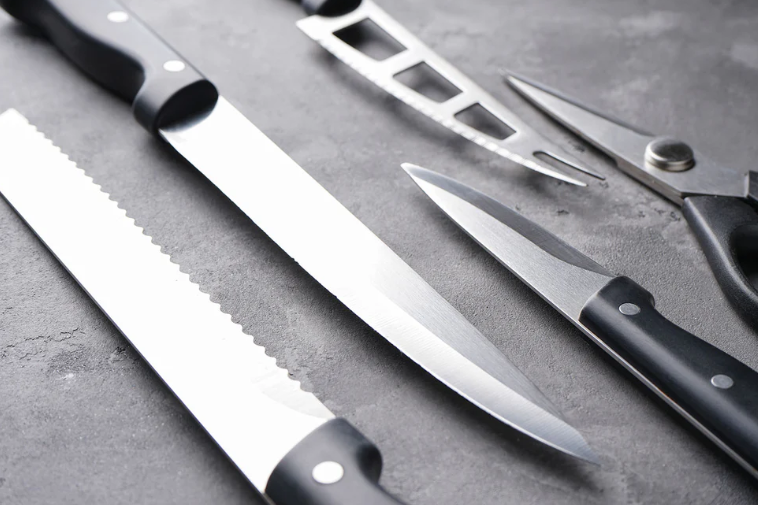
6. Prevent Rust and Corrosion
Rust is one of the greatest enemies of a knife’s life and usefulness. Even stainless steel knives have been known to get rust spots under the right conditions. These knife care tips for keeping rust away are essential for use in humid regions.
Why Knives Rust
Rust occurs when the iron in the knife blade undergoes a reaction with oxygen and moisture. Carbon steel knives are especially prone to rust, but even high-end stainless steel can corrode if it’s exposed for too long to moisture, salt or acidic foods.
In particular, the spots where the blade connects to the handle are especially vulnerable since moisture becomes trapped there.
Prevention Strategies
Keep your knives completely dry. It’s that one habit that solves most rust issues. Dry as soon as you’ve washed them, and never put away a knife until it is 100 percent dry.
Pull out those silica gel packets and put them next to your knives to soak up excess moisture in the air (especially if you happen to live in a humid climate).
For carbon steel knives, wipe a light coating of food-safe mineral oil on them after each use. This prevents moisture, corrosion and rusting. Camellia oil, a classic option, just does the trick beautifully.
Dealing with Existing Rust
You can generally get rid of it if you catch rust early. Create a paste of baking soda and water, and rub onto the rusted areas with a soft cloth. For more stubborn rust, try a rust eraser or very fine steel wool being careful not to scratch the blade.
Clean the knife well and let it dry completely after getting off rust, then apply mineral oil for maintenance.
The Right Way to Take Care of Different Types of Blades
- Stainless steel: Less maintenance but not rust-proof. This still needs to be fully dry and stored correctly.
- Carbon steel: Forms a patina over time that helps defend the blade. Don’t bother trying to keep it shiny — embrace the darkening as part of the knife’s character.
- Damascus steel: The patterns are etched to the surface and once rust is in, those can be compromised. It just needs to be wiped down dry, and occasionally apply some oil to it.
Creating Your Knife Care Routine
Now that you have these six tips for knife care memorized, it’s time to turn them into daily practices. The key is to stick with it — you have to actually do these things.
Daily Knife Care Checklist
After each use:
- Wash by hand with mild soap
- Dry completely with a towel
- Store conveniently in block, on a magnetic strip or in blade guards
- Hone before use if cooking daily
Weekly and Monthly Tasks
Once a week:
- Examine all knives for damage and rust spotting
- Inspect knife storage spaces to ensure they are clean and dry
- Clean the knife blocks or magnetic strips
Once a month:
- Oil carbon steel knives
- Clean cutting boards thoroughly
- Check to see if any knives should be sharpened
Seasonal Maintenance
Every few months:
- Deep clean knife storage areas
- Have expensive knives professionally sharpened
- Replace damaged cutting boards
- Check knives for looseness or damage at the handles
Establishing these habits may feel like a chore initially, but they soon become second nature. Most of these are just a matter of seconds, and they’ll save you hundreds or thousands of dollars in knife replacements over the years.
Frequently Asked Questions
How often should I have my kitchen knives sharpened?
Home cooks should sharpen their knives 2-4 times a year depending on how much they cook. Professional kitchens sharpen even more, sometimes weekly. It will vary, depending on how much you cook and what you are cutting. Hone your knives often in between sharpenings to keep the edge.
Are my knives dishwasher-safe?
No, don’t ever put your quality knives in the dishwasher. Handles are scorched by the high heat, blades corroded by harsh detergents and the edge dulled from knocking around other items. Always wash and dry your knife by hand after use for the best care.
What is the difference between honing and sharpening?
Honing works by realigning the blade’s edge without removing metal, in much the same way that you straighten a bent wire rather than cutting it. Sharpening grinds steel away to create a new edge. You should hone as often as possible (even daily) but only sharpen when honing is no longer effective in bringing back cutting ability.
If my knife is stainless steel, why does it rust?
Stainless steel doesn’t rust easily, but it WILL discolor if exposed to moisture over a long period. Extended contact with water, salt, acidic foods or moist conditions can lead to rust spots. Not drying knives completely after washing and putting them away wet is usually to blame.
How do I best store kitchen knives?
Magnetic wall strips, knife blocks and individual blade guards are all excellent choices. Prevent knives from jostling loose in drawers. Regardless of the method you use, make sure knives are perfectly dry before putting them away.
How can I tell that my knife needs sharpening?
Try to cut a tomato without sawing. The skin should be able to be cleanly sliced through with little pressure. If the blade slips across or you have to saw back and forth, it should be sharpened. You can also gently touch the edge — a dull knife feels rounded rather than sharp. For more information on proper knife maintenance techniques, visit America’s Test Kitchen knife care guide.
Conclusion: Small Efforts, Big Results
Caring for your knives doesn’t demand fancy equipment or special skills. It’s really easy to make these six knife care tips — cleaning after every use, storing properly, cutting on the right surfaces, sharpening and honing regularly, using proper technique and rust prevention — into simple habits for anyone to learn.
There is much to be gained for this small investment of time. Your knives will retain their sharpness better, cut better and last for decades instead of years. You’ll love cooking with tools that actually function as they should. You will also save money by not replacing knives that could have lasted a lifetime.
Take care of a knife the way you would any valuable tool. Those few minutes of care after each use will prevent hours of annoyance and expense later on. Your knives work for you every single day — give them the regular maintenance they deserve.
Begin with a few of these knife care tips and eventually integrate them into your routine. After a bit of practice, maintenance should come as second nature. Your blades will appreciate it for the many years of dependable, accurate cutting services to come.
