
Your kitchen knife is most likely one of the hardest-working tools in your home. No matter if you’re chopping up veggies, slicing through meat or even just tearing into packages, your blade sees a lot in a day. But here’s the thing: most people have no idea how to properly care for their knives. Knife care hacks come in handy there.
Caring for your knives doesn’t have to be a difficult or expensive process. With a little care, you can keep your edges sharp and rust at bay, helping them last for decades instead of months. In this post, you’ll discover ten useful knife care hacks that anyone can follow – even if you’ve never sharpened a knife in your life.
Let’s get to these game changing hacks for how you keep your kitchen blades in the best possible shape.
Here’s why your knives need TLC
Before we get to the hacks though, let’s first discuss why knife care is so important. A blunt knife is not only annoying, but be warned: It’s also actually dangerous. If you’re having to force your blade, you could find yourself giving a little too much pressure that might just make the knife slip enough to cut your fingers instead of dinner.
Good knife upkeep also saves you money. Instead of purchasing a new set of knives every year, your current ones can last a lifetime with the right care. And since it’s easier to prep food with sharp, well-maintained knives, you also cut down on food-prep time and make the actual act of cooking more fun.
Hack #1: Never Let a Dishwasher Touch Your Knives
This is one of the best knife care hacks you will ever learn. Every home cook has encountered a dull knife while at someone else’s house. Sure, dishwashers may be convenient — but they’re not doing your knives any favors. High heat, harsh detergents and a clank against other dishes can dull the blade edge, loosen handles and create rust spots.
Instead, hand wash your knives with warm water and a small amount of dish soap. It takes only 30 seconds each knife, and you’ll save yourself years of unnecessary wear. Dry them with a clean towel immediately — never allow air-drying, which can result in water spots and rust.
Hack #2: Keep Your Knives Stored Correctly
How you store your knives is just as important as how you clean them. Yes, it seems a simple task to throw all your knives in a drawer and call it day — but that’s about the worst idea ever. Knives become dull when they knock against each other or other utensils.
Here are better storage options:
- Wall-mounted magnetic knife strips keep your blades apart and within reach
- Blocks preserve your edge and the finish on your counter
- If you absolutely must go the drawer route, blade guards (which slip on and off each one) are ideal
- Organizes knives and keeps them safely stored while protecting drawers from damage; holds up to 16 knives
Pick whatever works best for your size kitchen but be sure every knife has an individual spot to rest inside a sheath.
#3: You Are Using the Wrong Cutting Board
The cutting surface you use has a lot to do with maintaining a sharp knife. Glass, marble and ceramic cutting boards — any hard surface — will do your blade edge in more quickly than anything else. Each time your knife strikes these materials, it creates little chips in the edge.
Stick with these knife-friendly materials:
- Wooden cutting boards (maple, walnut, or cherry)
- Bamboo cutting boards (inexpensive and antibacterial naturally)
- Plastic boards (easy to clean and easy on your blades)
These softer materials protect your knife edge from taking the brunt of an impact, and keep a blade sharper much longer between sharpenings.
Hack #4: Get Really Good with the Honing Rod
Here’s a knife care hack that baffles many people: honing is not the same thing as sharpening. A honing rod (that steel stick that often comes with your knife set) doesn’t sharpen so much as straighten the edge.
As you wield your knife, the edge curls a little to this side or to that. A realignment of this edge is possible with a honing rod and that sharp cutting capacity returned. You need to hone your knife every few uses, or at least once a week if you cook frequently.
Here’s how to use a honing rod:
- Stand rod upright with the tip rest on a cutting board
- Laying your knife’s blade flat against the rod at a 15- to 20-degree angle
- Draw knife down and across rod in a smooth motion
- Repeat 5-10 times on each side of blade
- Clean your knife before and after use
This simple process takes less than a minute and your knife will perform like new.
#5: Knowing When to Really Sharpen
No matter how regularly you hone, all of your knives will need true sharpening eventually. Honing is better example, since honing simply realigns the edge, but sharpening actually removes metal to form a new one. For most home cooks, sharpening their knives twice to four times a year, depending on frequency of use, should suffice.
Time to sharpen when:
- Your knife shreds tomato skin instead of sliding right through it
- Blade skimming off instead of biting into the onion skin
- Sharpening is no longer possible to restore sharpness
- Tests with paper demonstrate the knife is incapable of making clean cuts on that material
You can sharpen knives yourself with a whetstone, use a pull-through sharpener, or bring them to a professional. Either system will do — choose the one that most fits with your comfort level and bank account.
Hack #6: Use Whetstones Or Go Pro
Using a whetstone may sound frightening, but it’s one of the best hacks for maintaining professional-grade sharpness in your knives at home. Whetstones shave away just the right amount of metal to produce razor sharp edges without reducing too much material. For more detailed information on professional sharpening techniques, check out DTDF Knife Sharpening.
Basic whetstone sharpening steps:
- Soak your stone in water for 10-15 mins
- Put the stone on a wet towel to keep it from sliding
- Hold your knife on a 15-20 degree angle
- Drag the blade across the stone as if you’re trying to shave off a thin layer
- 10-15 strokes on one side then rotate and do the other side
- Begin with coarse grit (1000) end with fine grit (6000)
- Verify your edge by cutting paper
A whetstone will set you back $20-50 and last several years. Once desired sharpness is achieved, sharpening each knife takes about 10-15 minutes.
Hack #7: The Coffee Mug Emergency Fix
Here’s a wildly unexpected knife care tip for emergencies: the bottom of a ceramic coffee mug is one way to sharpen your knife in a pinch. That unglazed ring on the base of your average ceramic mug? It’s a miniature sharpening stone.
Smart tip: Turn the mug upside down and drag your knife edge along the jagged ceramic ring on its base, at a 20-degree angle, just as you would a honing rod. Repeat 10-15 times on each side. This isn’t a substitute for proper sharpening, but works surprisingly well when you’re looking to get an edge on something quick and don’t have other tools at hand.
Hack #8: Stop Rust Before It Even Starts
Rust is the enemy of a knife. Once established, you may never get rid of it entirely. Prevention is far easier than cure, so don’t neglect these small habits to prevent your blades going rusty:
- Always dry your knives after washing
- Never put knives in the sink or dishwasher upside down
- Keep knives in good airing place and dry properly
- Food-grade mineral oil can be applied on a regular basis for carbon steel blades
- Immediately wipe acidic foods (tomatoes, citrus) off of your blade
Treated properly, stainless steel is more resistant to rust than carbon steel, though it will still tarnish with time. These hacks for knife care require little work but provide big results.
Hack #9: Put A Little Oil On Your Wooden Handles
Don’t forget about the handle! Handles of wood knives also require care. Wood can gradually dry out and crack, or it might even begin to loosen. You can prevent this by periodically treating wooden handles with food-safe mineral oil or cutting board oil every couple of months.
Just massage in a little oil with a clean rag, let it sit for 10 to 15 minutes, then wipe away any excess. This will retain moisture in the wood and keep it from splitting, which in turn assures a sealed connection between your blade and its handle.
Knives with plastic, composite or metal handles simply need to be kept clean and dry — no special treatment required.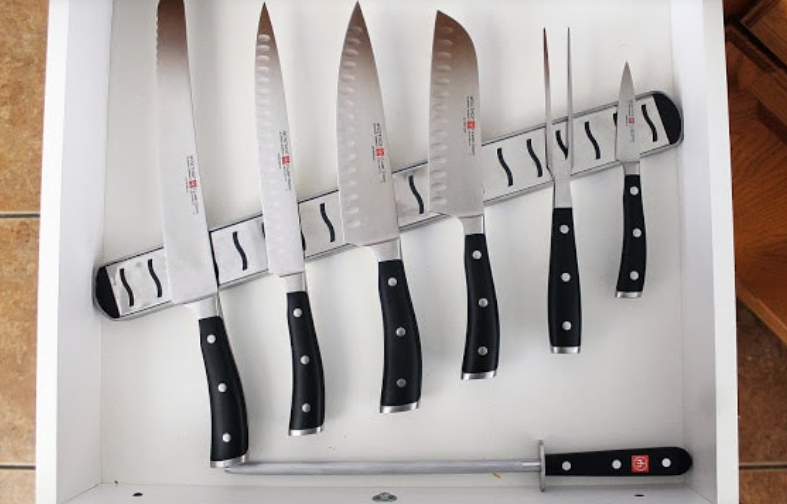
Hack #10: The Paper Test for Sharpening
How can you tell if your knife care hacks are really doing anything? The paper test offers an immediate, accurate answer. Take a piece of standard printer paper and hold it up by one edge as you attempt to cut it with your knife.
If the knife is sharp, it should slice cleanly through the paper with little pressure. The cut should be neat, not jagged or tattered. If your knife does not pass this test, it requires honing or sharpening.
This simple test allows you to catch dulling before your knife has gotten so frustratingly useless. You should be fine if you test your knives monthly to maintain them.
3 Mistakes to Avoid In Order To Care Properly for Your Cutlery
Yet knife damage still happens as people put their blades into dishwashers and jam them wildly against sharpening rods. The following are some common mistakes to avoid:
- Knives cutting on hard surfaces: Never chop directly on granite countertops, plates, or any other hard surface.
- Leaving knives dirty: Food residue, particularly of more acidic components, eat into blades destroying them after a while.
- Over-sharpening: Too much of a good thing! You’re taking away metal each time, so only sharpen as needed.
- Using the wrong knife for the task: Don’t use your chef’s knife to open packages, break bones or squish things apart. These functions destroy the edge and may snap the tip.
- Disregarding loose handles: If your knife handle seems to wiggle or is falling off, stop using that knife and have it fixed. A loose handle is a safety hazard area, and it will only get worse.
Creating Your Knife Care Routine
Now that you’ve got the rundown on these ten knife care hacks, here’s a no-nonsense routine to get them all done:
Daily (or after each use):
- Wash your knives by hand and dry immediately
- Properly store them in a block, on a magnetic strip or with blade guards
Weekly:
- Hone the knives you use most with a honing rod
- Spot rust or damage
Monthly:
- Oil wooden handles
- Check sharpness with paper test
- Clean and inspect blades thoroughly
2-4 times per year:
- Sharpen knives that do not pass the paper test
- Professional sharpening may be necessary for expensive or specialty knives
This routine only takes minutes but protects your investment and ensures your knives are performing beautifully.
Knife Care Tools Worth Having
You don’t need to spend hundreds of dollars on fancy tools, but having a couple basics will make knife maintenance ten times easier:
| Tool | Purpose | Approximate Cost |
|---|---|---|
| Honing Rod | Daily use | $15-$40 |
| Whetstone | Sharpening | $20-$50 |
| Cutting Board (wood or plastic) | Protect the edge of your blade during use | $15-$60 |
| Food-safe Mineral Oil | Prevent rust and care for handles | $8-$15 |
| Blade Guards | Safe storage in drawers | $10-$20 per set |
These are year-long investments that are small compared with replacing, say, a good knife.
The Summary on All Things Maintenance For Knives
It’s not hard to take care of your knives — you just need to develop a few easy cleaning habits. Here are 10 knife-care hacks that will keep your knives and make them deliciously sharp and beautiful for a lifetime, rather than one you chuck out annually.
Don’t forget the basics: hand wash, dry clean, store properly, use the right cutting boards and hone regularly. The result is you’ll save money, cook more safely and enjoy your time in the kitchen that much more.
Your knives do a lot for you, every day of the year. Give them a little love with these straightforward maintenance tips — and they’ll thank you in the form of many years of dependable performance.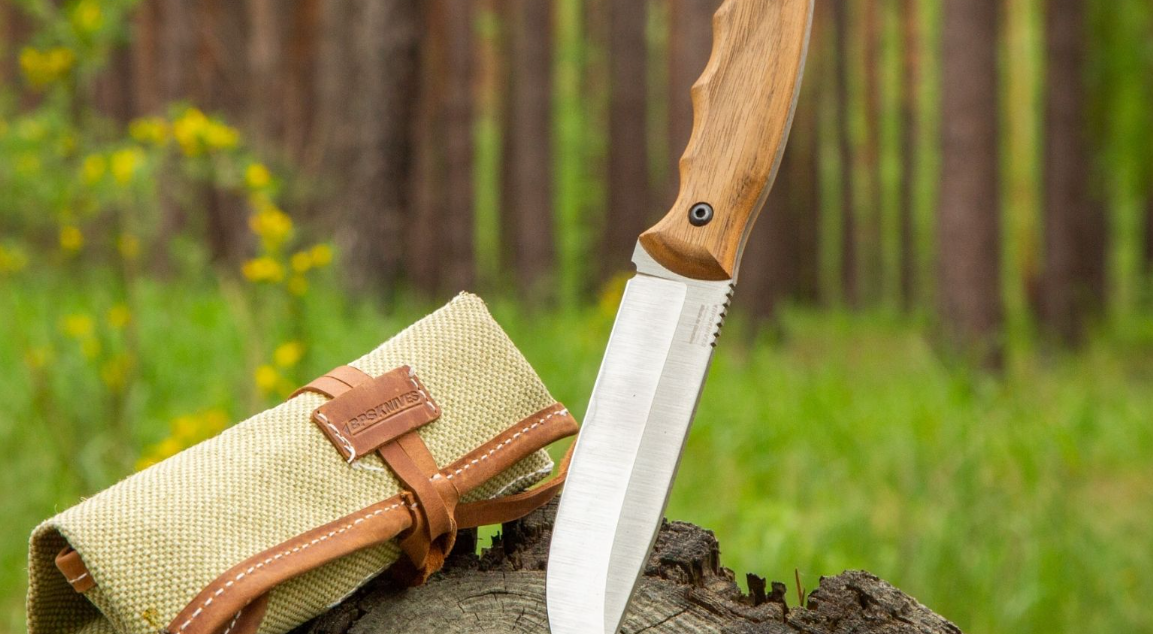
Frequently Asked Questions
How often should I get my kitchen knives sharpened?
A good rule of thumb for home cooks is to have their knives professionally sharpened 2-4 times a year. The timing is determined by how much you’re cutting and how often you cook. If you cook every day, then you probably will need sharpening after some 2-3 months. A weekly cook might need them sharpened every 4-6 months. Do the paper test once a month to see if your knives need any attention! For more information, visit MasterClass on knife skills.
What’s the difference between sharpening and honing?
Honing does not sharpen; it simply straightens the knife edge that has become bent over time, use and misuse. Honing is like combing your hair — it just straightens things that are already there. Sharpening is very much like getting a haircut — material is removed. You hone frequently (weekly) but sharpen rarely (2-4 times a year).
Is olive oil OK for knife handles?
No, you’ll want to avoid olive oil and cooking oils on knife handles. Those oils can oxidize over time and develop an unpleasant odor, as well as a sticky residue. Instead, take care of just-treated wood with food-safe mineral oil or cutting board conditioner. Those oils don’t go bad and give the wood a good protective covering.
Is professional knife sharpening worth the price?
Professional sharpening is usually between $5-15 a knife and does an amazing job. It can be worth it, particularly if you’re not comfortable sharpening the knives yourself and have a few expensive ones you don’t want to ruin. For their best knives, many people have sharpeners professionally and do it themselves for everyday knives.
How to remove rust stains from my knife?
For light rust, create a paste of baking soda and water and gently rub the rusty spot with a soft cloth. For tougher rust, use white vinegar — soak the blade for 5-10 minutes and then scrub with a baking soda paste. Always dry thoroughly and use mineral oil afterwards. Heavy rust could need professional refurbish or the knife’s got to go in the trash.
