
For the new culinary learner, here are knife care rules to keep blades sharp and safe. Discover how to clean and store knives properly, sharpen them, and much more.
There is something thrilling about walking into your kitchen with a shiny set of new knives. The blades shine in the light, and you’re eager to start chopping veggies or slicing meat. But here’s the thing that most beginners don’t know: Even the best knives won’t hold up for long without taking care of them properly. Start out on the right foot by learning fundamental knife care rules from day one; it’ll save you money, and keep you safer and more comfortable in the kitchen.
Yet many people treat knives poorly, throwing them in drawers or putting them away wet in the sink. These are all bad habits which soon ruin sharp edges and rust spots. The good news? Maintaining knives is not that difficult. You don’t need special gear or hours to spare. All it takes is a few simple practices that will keep your blades in great shape for the long haul.
This 10-point guide rounds up the essential knife care rules for beginners. Whether you’ve just bought your first kitchen knife or inherited a set from your grandmother, these tips will help you maintain that all-important edge. Here are the essential practices to help you go from a knife owner to a knife caretaker.
Why Proper Knife Maintenance Matters
But, before we get to the knife care rules, it’s worth explaining why all of this is important. A good knife is longer lasting and better performing when properly maintained. Sharp tools need less force when cutting, which translates to lower injury risks. Dull knives slip and cause more injuries than sharp ones.
And caring for your knives helps you protect your investment. Good knives aren’t cheap, and replacing them every few years is costly. Regular upkeep means they can last many more decades. Not to mention, cooking is more enjoyable and efficient with stuff that’s not a mess.
1. Hand Wash Your Knives Right After Use
The first and most essential of all knife care rules is simple: you should always hand wash your knives. Never fling them in your dishwasher even if that seems like a particularly appealing option after a long haul. In the dishwasher, knives are subjected to harsh detergents, high temperatures and violent water jets that can damage both blades and handles.
Handles can become loose, edges of blades can dull and rust can form in response to hot water and strong chemicals used in dishwashers. Also, knives banging against other utensils when they’re thrown in to wash during cycles of the dishwasher can chip and nick the blade. Even so-called “dishwasher safe” knives will show damage after several trips through the dishwasher.
Instead, clean your knives by hand with warm water and gentle dish soap. Use soft sponge or cloth to softly rub the blade on both sides. Wash well & immediately dry with clean cloth. This only takes a few minutes and it makes a world of difference in keeping your knives whole.
2. Wipe Your Blades Dry Before Putting Them Away
Water is a knife blade’s worst enemy. Keeping knives wet will result in rust, corrosion and staining – especially with carbon-steel blades. Even stainless steel knives can get spots and/or become discolored from extended exposure to moisture.
Once washed, don’t ever let your knives air dry in the dish rack. Water droplets may sit in small holes and damage your knife over time. And, as it should be with all fine blades: always dry your knives at once, using a spotless soft towel. The corner where the blade meets the handle is especially important because water tends to pool there.
Incorporate this into your routine: wash, rinse, dry and put away. After a few weeks, this simple routine becomes second nature and will eliminate the majority of moisture-related knife issues.
3. Store Knives Appropriately to Keep Edges Sharp
How you store your knives is just as important as how you clean them. Loose in a drawer, throwing knives are easily damaged and pose a safety hazard. Knives receive infinitesimal dull blows each time they hit up against other utensils. After months of sitting in drawers, knives that were once sharp turn frustratingly dull.
There are a couple of storage options that can effectively protect your knife’s edges:
Knife blocks lie on your counter and keep knives upright in distinct slots. They keep blades separated and edges shielded. Ensure the block has plenty of slots for your collection and that the openings don’t scrape against edges of some blades.
Magnetic strips adhere to walls and grip knives by their metal blades. These save valuable counter space and knives are always easily accessible. The magnetic force is strong enough to hold your knives securely, yet gentle on your knives’ edges.
Blade guards are plastic or cardboard covers that wrap around individual knives. They’re great if you need to keep knives in drawers. And each blade has its own little cap to protect it.
In-drawer knife organizers have individual slots to hold blades in place. Those offer drawer storage without the wear and tear of loose knives banging together.
Pick the storage system that works with your kitchen and don’t look back. Consistent, proper storage is vital for effective adherence to knife care rules.
4. Choose the Best Cutting Surface Each Time
Your cutlery will stay sharp for longer by hundreds or thousands of cuts, depending on the surface you cut on. If your knife blade comes into contact with glass, marble, ceramic or metal surfaces it will dull quickly. With every stroke your blade makes on these materials, small bits of the edge chip off or fold over.
The Best Cutting Boards for Knife Care
The best cutting boards for knife care are constructed from:
Wood: Hard woods such as maple, walnut or cherry make the best cutting surfaces. Wood has a natural give that is easy on blade edges. These boards additionally have the self-healing aspect where blade cuts recover partially.
Bamboo: Though bamboo boards are harder than some woods, they tend to be easier on knife edges than plastic. They’re also sustainable and antimicrobial.
Plastic: High quality plastic cutting boards are great for knife preservation (generally white or colored polyethylene). They’re softer than hard surfaces, but still durable for everyday wear and tear.
Replace damaged cutting boards with deep grooves or signs of wear. The old, battered boards do not support knives properly and can retain bacteria in deep cuts.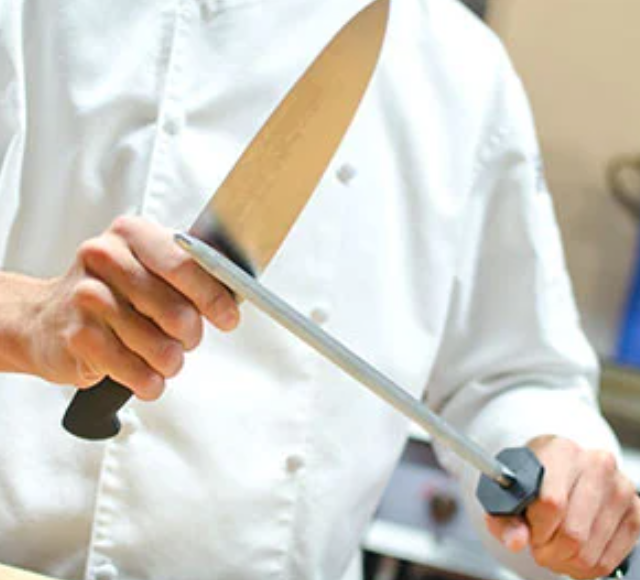
5. Learn Basic Knife Sharpening Techniques
One of the most important knife rules is sharpening. Any knife we use will eventually lose its sharpness, no matter how well you keep them up. Learning to sharpen your knives yourself saves money on professional sharpening services and extends the life of your blades. If you need professional knife sharpening services, working with experts can help restore your blades to optimal condition.
Various sharpening styles for all skill levels:
Whetstones provide the most control and best results. They do take practice but the edges they put on are extremely sharp. Stones are available in various grits, ranging from coarse (for damaged blades) to fine (for polishing edges).
Pull-through sharpeners are simple tools for beginners; you pull the knife through pre-set angles. They are less effective than stones, but more easy to use and better than nothing.
Electric sharpeners take off metal fast and make decent edges with little skill. But they can also take away too much metal if used improperly.
Steels (honing rods) don’t technically sharpen, but instead realign the curved edge bits in between sharpenings. Hone regularly with honing rods to help edges last longer.
Begin with a simple approach that you are going to actually use. Keep your knives sharp by sharpening every few months. Dull knives are also dangerous because they need a lot of force and can easily slip.
6. Hone Your Knives Often Between Sharpening Processes
For many novices, honing is easily confused with sharpening — but it’s not the same thing. When you sharpen something, it’s by virtue of removing metal to reveal a new edge. Honing simply ‘straightens’ the edge that already exists without taking away much material. Think of honing as the maintenance that keeps your knife’s edge and spacing in line between full sharpenings.
A honing rod (also known as a “sharpening steel” for its resemblance) is used. To hone your knife:
- Rest the rod vertically on a cutting board, with its tip touching the board.
- Hold the knife blade at a 15-20 degree angle to the steel rod.
- With the blade, pass it from heel to tip along the rod.
- Repeat with the other side of the blade.
- Perform 5-10 reps on each side.
Honing requires less than a minute and should be performed every few uses. This easy-to-do practice maintains the knives sharp and cutting well much longer and is a crucial aspect of abiding by knife care rules properly.
7. Be Respectful and Proper in the Way You Use Your Knife
Among the things that determine how long your knives last is how you use them. Blades can be damaged, handles loosened and safety endangered by rough usage. Proper technique will benefit you and your knives.
Do not use knives as screwdrivers, can openers or for any task other than cutting. Knives are for cutting, not for doing the sorts of things that can stress blades in ways they weren’t designed to do. Using knives incorrectly can break blade tips, bend edges and crack handles.
Regular kitchen knives should not be used to cut through bones or frozen foods, unless they are specifically designed for such use. Blade edges can be chipped or damaged by hard materials. Use the right tools for the job such as meat cleavers for bones and let frozen items defrost before cutting them.
Make sure you are always cutting away from your body and keep your fingers clear of the path of the blade. The proper cutting technique is to tuck in your fingertips and use your knuckles as a guide. This is what keeps you safe, and prevents unnecessary stress on the knife.
Keep knives pointed down and shout out when walking with a knife in crowded kitchens. Always put knives where nobody could instinctively reach for the blade.
8. Examine Your Blades for Early Sign of Misuse
Being fastidious in following such knife-care rules also includes making regular inspection of your knives for any issues. Preventing minor damage from becoming major damage is key. Every few weeks, take a close look at every knife.
Look for these warning signs:
- Spots or staining on the blade
- The handles are all floppy and wobbly or feel insecure
- Chips and breaks in cutting edges
- Broken tips of the blades caused by misuse
- Repair damage such as tears/handles splits or separations of materials
Address problems promptly. You can scrub out little rust spots with a paste made from baking soda. The handles could require professional repair if they are loose. Chips in blades can be ground out during sharpening, provided they aren’t too deep.
Regular checks can help you to keep your collection of knives in the best working order possible and ensure each blade is used for as long as it should be.
9. Oil Carbon Steel Blades to Resist Rust
Carbon steel knives require a little bit of extra love compared to stainless steel. Very fine edges can be taken with carbon blades, and held a long time, but they will readily rust if exposed to moisture and acids. These knives must have extra care to prevent rusting.
Wash carbon steel knives, dry and then apply a thin layer of food-safe mineral oil to the blade. With a clean cloth, apply it in a light coat over all. This shield coating stops moisture from penetrating the metal.
Certain foods will encourage carbon steel to develop a patina (darkening) over time. This patina is natural and actually provides a bit of rust protection. Don’t try to take it off unless the blade becomes truly rusty or unevenly stained.
Carbon steel knives should also be stored in dry places to avoid humidity. If you are not going to keep a carbon steel knife in use for long periods, hit it with extra oil before storing. This knife care tip is essential for any of you with high-end carbon steel blades.
10. Recognize When You Need Help from a Professional
The rules for caring for knives are usually not difficult to follow at home, but occasionally professional intervention is required. Being able to recognize when it’s time to call in the pros not only saves your investment, but makes sure that repairs are fixed correctly.
Consider professional services for:
Heavy damage such as broken blade points, deep chips and cracked handles. All of these issues require specific tools and knowledge to repair.
Complete reshaping or reprofiling of blades that have been sharpened incorrectly multiple times. Blade geometry can be restored by professionals.
Replace handles if they split, crack, or become unsafe. All of this takes tools and skills that most home users lack.
Premium or specialty knives that you want a pro to take a look at. Professional sharpening and care of your Japanese knives, custom blades, or any expensive chef’s knife is important.
You can get your knives sharpened and repaired at local knife shops, kitchen supply stores or knife makers/manufacturers. The price tag can vary, but it’s generally lower than what you would have spent on new knives. Establishing a relationship with the local knife service is an incredible support for your knife-care journey.
For comprehensive information on proper knife maintenance techniques, visit the Serious Eats guide to knife skills.
Quick Guide: Rules for Caring for Your Knives
| Rule | Frequency | Why It Matters |
|---|---|---|
| Hand wash only | After each use | Prevents dishwasher damage |
| Dry completely | After every wash | Prevents rust and corrosion |
| Use proper cutting boards | Every time | Protects blade edges |
| Store safely | Always | Prevents dulling and accidents |
| Hone regularly | Every few uses | Maintains edge alignment |
| Sharpen as needed | Every 2-3 months | Restores cutting performance |
| Handle carefully | Always | Prevents damage and injury |
| Inspect for damage | Monthly | Catches problems early |
| Oil carbon steel | Every time | Prevents rust formation |
| Seek professional help | When needed | Handles major repairs properly |
Common Pitfalls of Knife Maintenance and How to Avoid Them
Despite the best intentions, people new to using knives usually damage them in some way. Here are some of the common mistakes you need to avoid in order to stick more closely to your knife care rules:
Knives left in the sink under water or under dishes are dangerous and they’re not good for your knives. Someone may reach in and mistakenly, blindly grab the blade. Immersed knives also have tendency to rust and corrode more easily.
Using steel wool or any other abrasive scrubber is damaging to the blade surfaces as it causes scratches. Use soft sponges and cloths for cleaning.
If food residue is allowed to dry on blades, cleaning will be more difficult and stains can become permanent or cause corrosion. Wash knives promptly after use.
Long-term storage of knives when not completely dry can lead to rust and corrosion. Always dry thoroughly before storing knives.
Over-sharpening will also reduce the life of a blade. Only sharpen when you have to, not on a schedule.
Knowing these mistakes will help you form better habits to take good care of your knives.
Frequently Asked Questions
How often do I need to sharpen my kitchen knives?
With typical use, most home cooks should sharpen their knives every 2-3 months. But that’s predicated on your cooking frequency and what you’re chopping. Test your knives frequently — if they don’t cleanly slice through tomato skin and you’re putting too much force into the cut, they need sharpening.
Can I put my knives in the dishwasher if I’m careful?
No, knives are always ruined in dishwashers, no matter how carefully they’re loaded. Both blades and handles are damaged by harsh environments, high temps, and powerful cleaners. Hand washing doesn’t take that much time and preserves your investment.
How does honing differ from sharpening?
Honing merely realigns the blade edge without taking off much metal, similar to straightening out a bent wire. Sharpening is removing material to form a new edge. Run through honing rods every couple uses to maintain your edge longer.
How do I know if my knife is sharp?
Test it on paper: hold a piece of paper up and try slicing through it with your knife. A sharp blade slices cleanly. A dull blade cuts with resistance. The tomato test is good too — a sharp knife effortlessly passes through the skin of a tomato, without squishing the fruit.
Are costly knives actually worth it?
A quality knife retains an edge longer, has a better balance and lasts years with reasonable care. Although not everyone needs pricey knives, middle-to-high-end ones are worth it for anyone who cooks often. They perform better and sustain that performance for longer than cheaper options.
What is the best cutting board material for knife maintenance?
The wooden cutting boards (especially those made of hardwoods like maple or walnut) offer the best combination of durability and knife-edge gentleness. Bamboo boards, or good quality plastic boards are also great. Stay away from glass, ceramic, marble and metal surfaces that will quickly dull your knife.
Ending Your Journey to Knife Care Mastery
Learning these 10 knife care rules changes your relationship with the tools in your kitchen. What once felt like expensive, delicate equipment becomes dependable sidekicks on your cooking adventures. The habits you establish now can last years, ensuring that your knives will remain sharp and safe, ready to make any kind of recipe.
And don’t forget: knife care is not complicated or very time-consuming. It’s just little habits that you do every day that add up. Knives simply feel good to hold and use, and they inspire confidence in the kitchen and quality on your plate. Hand washing, careful drying, safe storage practices — as well as regular attention — keep knives performing beautifully. They’re universal, whether you own a single chef’s knife or a complete set.
Begin to implement one or two rules at a time instead of attempting to do everything all at once. Start with hand washing and adequate drying, for they have the most effect. Tack on other habits as they feel more organic. Soon after, knife care is automatic and requires no extra thought or effort.
Your knives will reward a few minutes of attention with years of good service. Sharp, well kept knives make cooking safer, easier and more fun. They make dull chopping duties fast and gratifying work. These are the rules of knife care to follow indefinitely because you’re not just maintaining tools when doing so; you’re investing in better cooking for years to come.
